

Many women feel worried after seeing a blood test report showing a high ESR value. While an elevated ESR can be concerning, it does not point to a specific disease on its own. Instead, it acts as an indicator that there may be inflammation or an underlying condition somewhere in the body.
Many people search for questions like what if ESR is high in females, why is ESR high in females, or whether it can affect overall health and fertility.The answer depends on the underlying cause, which can range from a simple infection to autoimmune conditions, anemia, or even normal physiological changes such as pregnancy.
In this blog, we'll explain what ESR is, the common causes of high ESR in females, possible symptoms, treatment options, and when it's important to seek medical advice.
What is ESR?
ESR, or Erythrocyte Sedimentation Rate, is a test that determines the time it takes red blood cells to settle after one hour. Typically, body inflammation causes red blood cells to agglutinate, leading to a higher ESR value.
Normal ESR levels can be classified as:
20 mm/hr in younger women
30 mm/hr in older women
In consideration of the test, labs can have different standards.
Assessing abnormal levels of ESR in women is equally crucial in understanding inflammation and health. A high erythrocyte sedimentation rate is a sign of inflammation and infection, but it cannot assess further health issues.
Many women can have higher values of erythrocyte sedimentation and are generally considered healthy.
High ESR Symptoms in Females
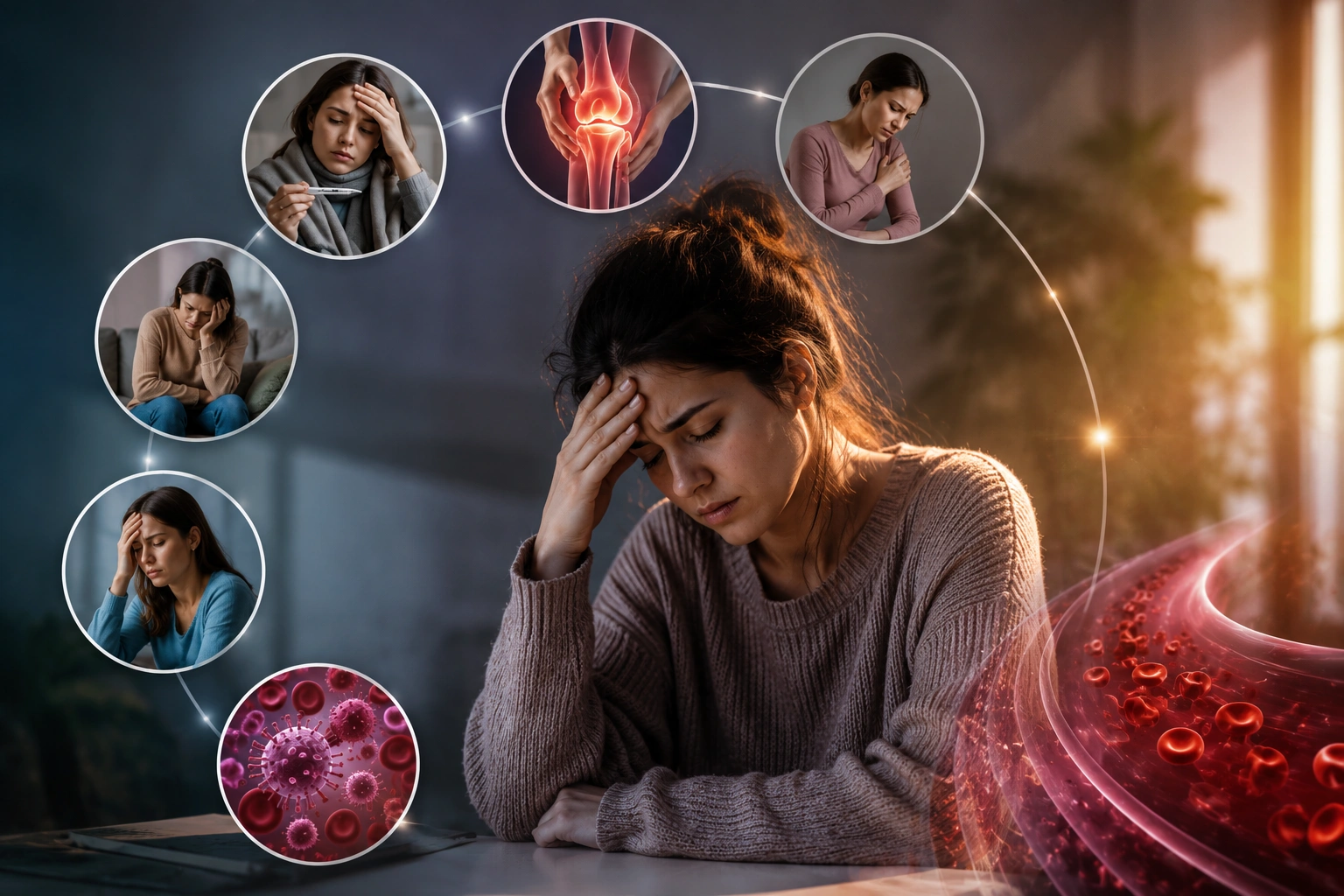
Common symptoms associated with elevated ESR levels that are not specific to a condition include the following:
Frequent tiredness/fatigue
Fever
Pain in the joints with stiffness
Muscle pain
General weakness
Involuntary and unexplained loss of weight
Recurrent infections
Pain in the body
ESR levels can increase for a variety of reasons, including infections. In females, symptoms can also manifest from autoimmune diseases or anemia. Symptoms can also stem from other unknown underlying conditions.
Why is ESR high in Females?
Many women inquire about why female ESR levels are elevated. There can be multiple reasons.
Infections
One of the most prevalent causes of increased ESR levels is infection. Both viral and bacterial infections can cause UTIs, and chronic tuberculosis infects which lead to increased inflammation and higher levels of ESR.
Autoimmune Disorders
An autoimmune disorder occurs when the immune system attacks healthy tissue. ESR can become elevated, and chronic inflammation can occur when these disorders are present - rheumatoid arthritis, lupus, and vasculitis.
Pregnancy
During pregnancy, ESR levels naturally increase due to physiological changes in the body and are often considered normal. However, regular prenatal check-ups are important to monitor both maternal and fetal health. Women should seek proper Maternity Care throughout pregnancy to ensure any underlying concerns are identified and managed at the right time.
Anemia
Anemia, and especially iron-deficiency anemia, which is somewhat more prevalent in women, is a frequent cause of elevated ESR levels. As a result, anemia is typically found in women when investigating elevated ESR.
Menstruation
ESR may be mildly elevated during menstruation due to hormonal fluctuations. In general, these changes are not significant.
Chronic Inflammatory Conditions
High ESR may be sustained for long periods in the presence of long-standing chronic inflammatory conditions such as chronic arthritis or inflammatory bowel disease.
Kidney Disease
Kidney diseases may cause inflammation and also affect ESR. In these cases, kidney function must be evaluated and measured.
Thyroid Disorders
Both hyperthyroid and hypothyroid conditions may also alter the ESR and other inflammatory markers.
Certain Cancers
High ESR levels are detected in relatively few cancers. However, in general, women with elevated ESR levels do not have cancer, and diagnosis is not possible with ESR alone.
What if ESR is High in Females?
Mildly elevated ESR levels are normally seen in the presence of inflammation during infection, pregnancy, and even during the menstrual cycle. Such cases may involve level monitoring or performing the test after a certain period.
Moderate elevation of ESR levels requires the need for more tests to find out the presence of inflammation and other conditions.
Very high ESR levels indicate inflammation and should be of concern and evaluated quickly.
Typically, the following are considered to understand the causes of elevated ESR levels:
Physical assessment
Symptoms
History
Lab tests (CBC, CRP, and others)
Thyroid and renal function tests
Liver tests
Markers for autoimmune conditions
Imaging, if indicated
Does High ESR Affect Fertility?
ESR itself does not directly affect fertility. However, some underlying conditions associated with a high ESR, such as autoimmune disorders, thyroid disease, or chronic infections, may influence reproductive health. If you're planning a pregnancy or facing difficulty conceiving, consulting a fertility specialist can help determine whether treatments such as IVF may be appropriate based on your individual condition.
Treatment for High ESR in Females
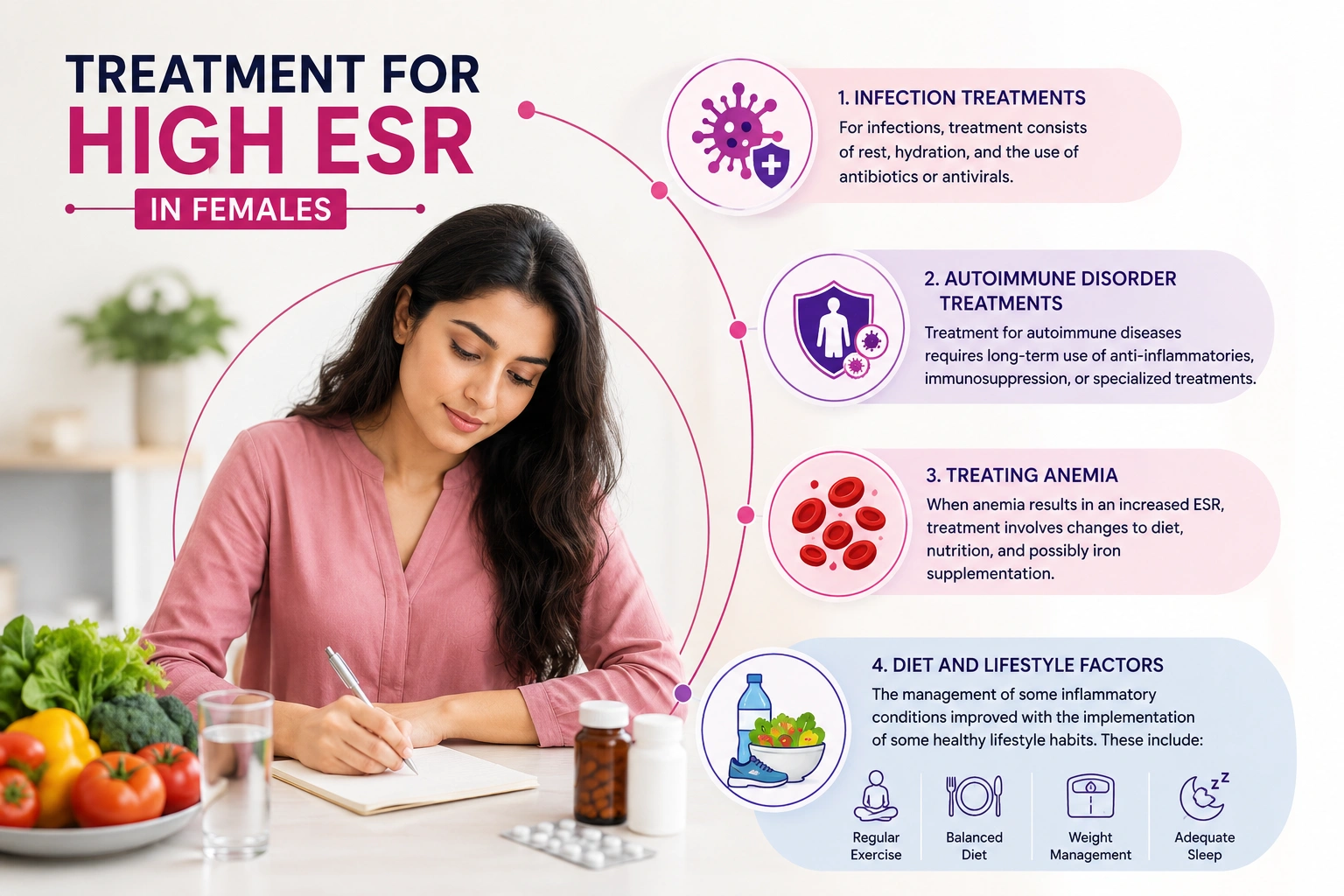
Rather than aiming to decrease ESR, treatment is centered around the main issues.
- Infection Treatments
For infections, treatment consists of rest, hydration, and the use of antibiotics or antivirals. - Autoimmune Disorder Treatments
Treatment for autoimmune diseases requires long-term use of anti-inflammatories, immunosuppression, or specialized treatments. - Treating Anemia
When anemia results in an increased ESR, treatment involves changes to diet, nutrition, and possibly iron supplementation. - Diet and Lifestyle Factors
The management of some inflammatory conditions improved with the implementation of some healthy lifestyle habits. These include:
- Balanced diet and hydration
- Participation in physical activities
- Quality sleep
- Stress management techniques
- Avoidance of smoking
A Final Word on High ESR in Females
High ESR level in females, the possible symptoms, and the importance of early treatment are critical components that will help in addressing the underlying condition as well as the provision of the necessary treatment.
Understanding why ESR is higher in women, including recognizing what possible high ESR symptoms there are and knowing when to consult a doctor, helps to identify the cause and begin the right treatment. Seek a doctor if you have an elevated ESR with fatigue, fever, or joint pain.
Surrogacy Centre India, the best surrogacy centre in India, exists primarily to help women needing reproductive and fertility services.
Frequently Asked Questions
Is elevated ESR a cause for concern for women?
Elevated ESR levels only indicate inflammation and do not always indicate a serious underlying illness. The cause is what's important.
Does stress increase ESR?
Stress does not cause a significant increase in ESR. However, chronic stress can lead to several other health issues and inflammation.
Does pregnancy cause high ESR?
Yes, pregnancy causes elevated ESR levels and is considered a normal change in physiology.
How is ESR decreased naturally?
The only real way to decrease ESR is to address the underlying concern. Maintaining a healthy diet and lifestyle is a good way to decrease ESR.
Is there a relation between ESR and fertility issues?
ESR is not a measure of fertility. However, the many conditions that cause elevated ESR levels can impact fertility.


